
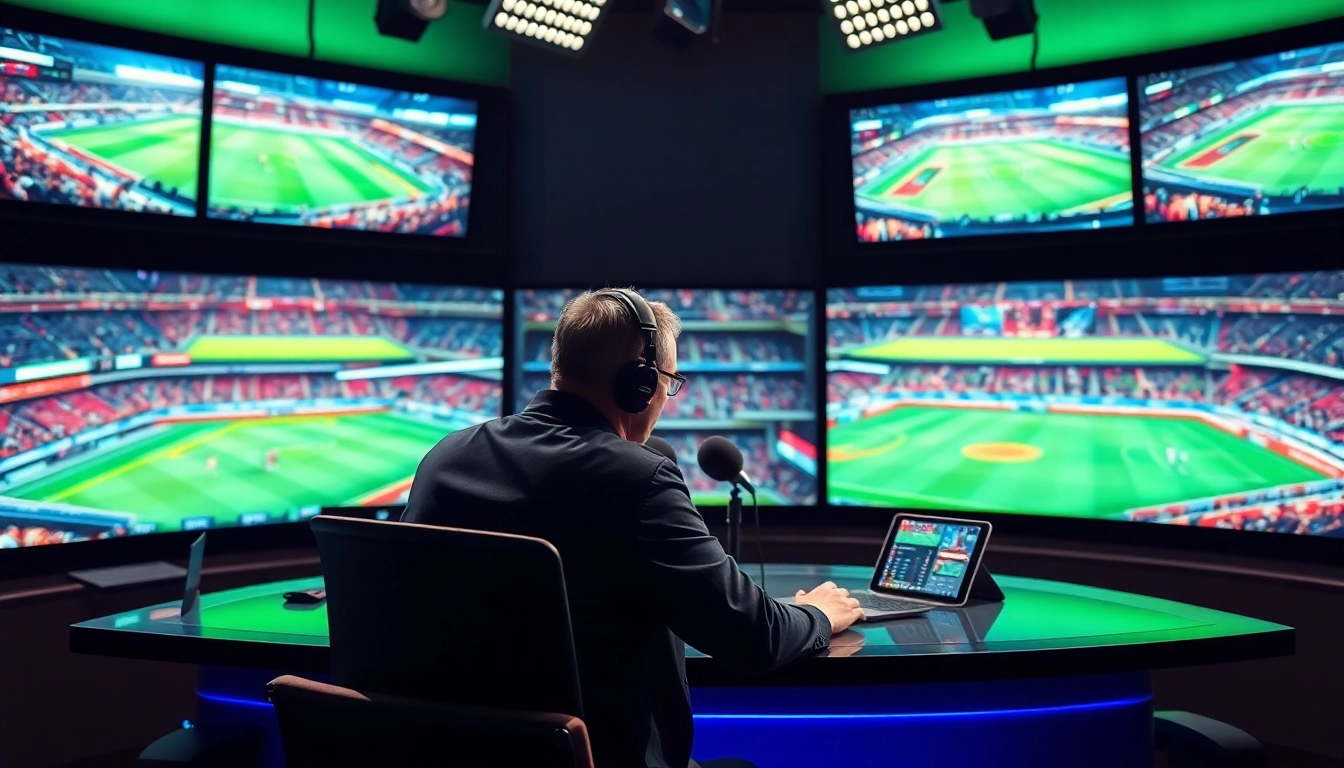
Understanding Sports Broadcasting
What is Sports Broadcasting?
Sports Broadcasting refers to the live coverage and presentation of sporting events through various media channels, primarily television, radio, and the internet. This dynamic field merges sports and journalism to engage audiences by delivering play-by-play commentary, expert analysis, and highlights. The landscape of sports broadcasting has evolved significantly, driven by technological advancements and changing viewer preferences. By utilizing platforms such as social media, streaming services, and traditional broadcasting, sports broadcasters can effectively reach a diverse audience. For more insights on the subject, explore Sports Broadcasting and its impact on sports culture.
The Evolution of Sports Broadcasting
The history of sports broadcasting dates back to the early 20th century, with radio broadcasts capturing the excitement of major sporting events. The advent of television in the 1950s revolutionized this field, making sports more accessible to the public. Major developments include:
- 1950s: Television broadcasts of events like the World Series fanned the flames of a burgeoning fanbase.
- 1980s: Cable networks began specializing in sports, such as ESPN, which changed how sports content was consumed.
- 2000s: The introduction of high-definition broadcasting provided spectacular viewing experiences.
- 2010s-Present: Streaming services have allowed fans to watch games on-demand, leading to greater viewer engagement.
Key Elements of Sports Broadcasting
Successful sports broadcasting consists of several key elements:
- Play-by-Play Commentary: Essential for real-time updates and excitement, play-by-play announcers narrate the action as it unfolds.
- Analysis and Insights: Expert analysts provide context and deeper understanding, enriching the viewing experience.
- Production Quality: Visual and audio elements like graphics, instant replays, and camera angles enhance storytelling.
- Audience Interaction: Engaging with fans through social media and interactive platforms promotes loyalty and creates buzz.
The Impact of Technology on Sports Broadcasting
Advancements in Broadcast Technology
Advancements in technology have dramatically transformed how sports are broadcasted. Innovations such as:
- 4K and 8K Resolution: High-definition video resolutions provide incredible clarity, making viewers feel as though they are present at the event.
- Virtual and Augmented Reality: These technologies immerse fans in the game, allowing them to experience viewpoints and statistics in new ways.
- Drone Technology: Drones are now used for aerial shots that provide unique perspectives during events.
Live Streaming and Viewer Engagement
Live streaming has become increasingly popular, particularly with younger audiences who prefer seamless, on-demand access to content. Platforms like Twitch and YouTube Live have emerged as key players in this space, facilitating unprecedented viewer engagement through:
- Chat Features: Real-time interaction allows fans to engage with one another and broadcasters.
- Customizable Viewing Experiences: Users can select camera angles and replays, tailoring their experience.
- Accessibility: Viewers can watch games on a variety of devices, making it easier to follow their favorite teams.
Using Data Analytics for Enhanced Experiences
Data analytics has become a game-changer in sports broadcasting. Broadcasters are leveraging vast amounts of data to enhance the viewing experience through:
- Statistics and Metrics: Providing viewers with real-time stats that inform about player performance and team strategies.
- Predictive Analysis: Using historical data to predict game outcomes or player trajectories, enhancing viewer interest.
- Personalization: Tailoring experiences based on individual preferences and viewing history, ensuring highly relevant content.
Audience Engagement Strategies
Effective Communication in Sports Broadcasting
Effective communication is pivotal in sports broadcasting. Broadcasters need to convey excitement while ensuring clarity. Key strategies include:
- Storytelling: Craft narratives around athletes and teams to deepen emotional connections with viewers.
- Inclusive Language: Use language that resonates with a diverse audience, considering fans of various backgrounds.
- Real-time Interaction: Incorporating live tweets and fan questions in broadcasts to enhance relatability.
Utilizing Social Media for Broader Reach
Social media platforms have become indispensable for sports broadcasters. Effective strategies include:
- Real-time Updates: Offering minute-by-minute updates to keep fans engaged during live events.
- Behind-the-Scenes Content: Sharing exclusive footage and stories to foster a deeper connection with fans.
- User-Generated Content: Encouraging fans to share their experiences, which can enhance community engagement.
Creating Interactive Content for Fans
Interactive content has shown to increase viewer engagement. Strategies include:
- Quizzes and Polls: Engaging fans in fun polls or quizzes during broadcasts keeps them actively participating.
- Fantasy Leagues: Facilitating fantasy sports leagues that tie directly to live broadcasts maximizes viewer investment.
- Augmented Reality Experiences: Implementing AR features that allow viewers to interact with statistics and player details directly on their screens.
Challenges in Sports Broadcasting
Regulatory Issues and Compliance
Sports broadcasting is fraught with regulatory challenges. Broadcasting rights can be complex, requiring adherence to various national and international laws. Challenges include:
- Intellectual Property Rights: Ensuring that all footage and images used are in compliance with copyright laws.
- Licensing Agreements: Navigating the often intricate licensing processes for different regions and territories.
- Advertising Regulations: Adhering to regulations that govern what can be advertised during broadcasts.
Navigating Competition in the Industry
The sports broadcasting landscape is hyper-competitive, with numerous networks and platforms vying for viewership. Strategies to overcome this include:
- Differentiation: Offering unique content not found elsewhere, such as exclusive interviews and access.
- Innovative Programming: Developing shows that explore sports from different angles to attract niche audiences.
- Strategic Partnerships: Collaborating with tech companies for cutting-edge broadcasting techniques and broadened reach.
Maintaining Content Quality Under Pressure
In a fast-paced environment, maintaining high content quality is crucial. Broadcasters face challenges such as:
- Accuracy of Information: Ensuring that all statistics and commentary provided are accurate and up-to-date.
- Consistency: Delivering excellent content without compromise during high-pressure events.
- Team Dynamics: Ensuring that production teams work cohesively to execute complex broadcasts flawlessly.
The Future of Sports Broadcasting
Emerging Trends to Watch
The future of sports broadcasting looks bright, with several emerging trends on the horizon, such as:
- Increased Personalization: Continued improvement in AI and analytics will allow even deeper personalization in viewing experiences.
- Expansion of Niche Sports Coverage: More platforms are likely to cover less mainstream sports, appealing to varied audience interests.
- Adoption of Blockchain Technology: This may facilitate universal broadcasting rights and provide secure transactions for content distribution.
Integrating Virtual Reality and Augmented Reality
As VR and AR technologies become more widespread, their integration into sports broadcasting promises to reshape viewer experiences through:
- Immersive Viewing: Fans can experience games from different viewpoints, enhancing their engagement and connection to events.
- Interactive Elements: Utilizing AR graphics can enhance the narrative during a broadcast, providing richer information in real time.
- Fan Experiences: Offering virtual stadium tours and meet-and-greets with athletes will redefine the traditional spectator experience.
Preparing for Future Viewer Preferences
Understanding and adapting to evolving viewer preferences is crucial. Strategies include:
- Surveying Audiences: Regularly gathering data from viewers about their preferences to stay ahead of trends.
- Flexible Content Delivery: Embracing diverse platforms that cater to shifting consumption habits.
- Enhanced Focus on Health and Wellness: Incorporating discussions around wellness and mental health as they relate to athletes and sports culture.
Frequently Asked Questions
What is the role of technology in sports broadcasting?
Technology enhances sports broadcasting by improving production quality, enabling live streaming, and utilizing data analytics for viewer engagement and personalization.
How does social media influence sports broadcasting?
Social media expands the reach of sports broadcasts, allowing for real-time updates, fan interaction, and the sharing of behind-the-scenes content, enhancing overall engagement.
What challenges do sports broadcasters face today?
Broadcasters face regulatory compliance issues, competition in the industry, and the challenge of maintaining high-quality content under pressure while adapting to technology changes.
What trends are shaping the future of sports broadcasting?
Emerging trends include increased personalization, the adoption of VR and AR, niche sports coverage expansion, and the potential use of blockchain for secure content distribution.
How can sports broadcasters enhance audience engagement?
By utilizing effective communication, leveraging social media, offering interactive content, and ensuring timely and accurate information, broadcasters can significantly enhance audience engagement.